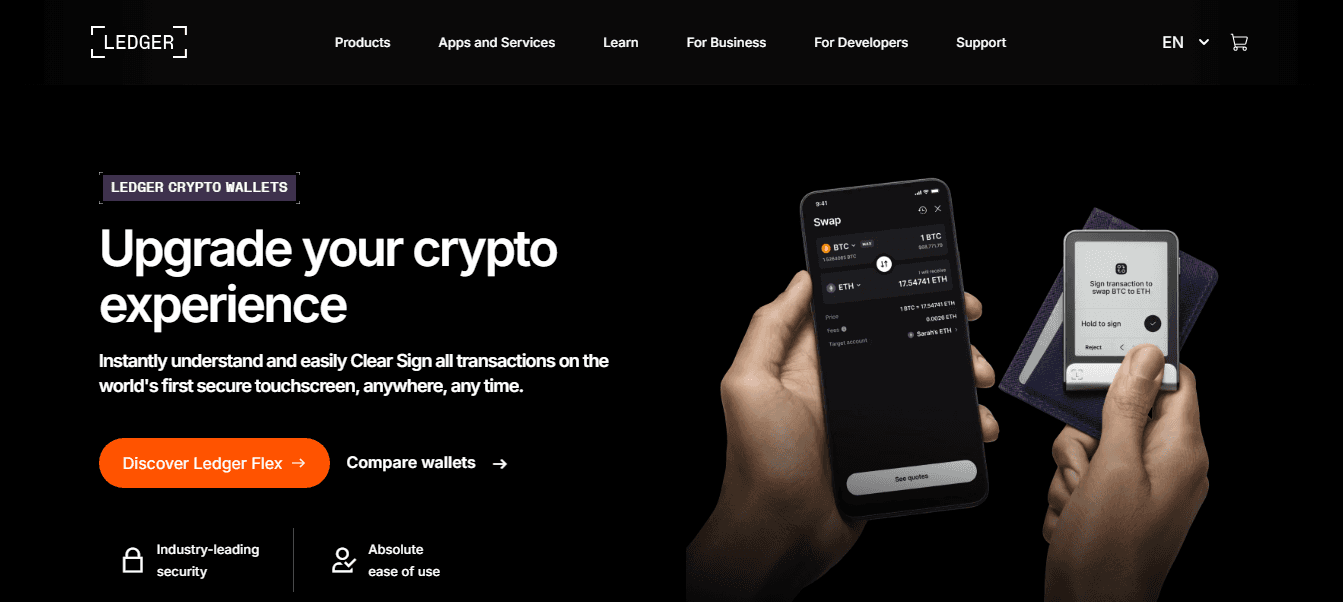
Ledger Login: A Deep Dive into Secure Crypto Authentication
Introduction to Ledger Login
Ledger Login is the method through which users securely access and authorize actions involving their cryptocurrency holdings using a Ledger hardware wallet. In contrast to traditional digital logins that depend on passwords, emails, or centralized accounts, Ledger Login is built on cryptographic ownership and physical validation.
As cyber threats increase and centralized platforms continue to face breaches, Ledger Login has become a preferred solution for individuals seeking full control over their digital assets. It removes reliance on third parties and places security directly in the hands of the user.
This comprehensive guide explores how Ledger Login works, why it is fundamentally different from conventional logins, and how users can safely and effectively use it to manage cryptocurrencies.
The Concept Behind Ledger Login
Ledger Login is based on a simple but powerful idea: only the owner of the private key should be able to access and authorize transactions.
Why This Concept Matters
Cryptocurrencies are bearer assets
Ownership is proven cryptographically
Centralized logins introduce single points of failure
Ledger Login eliminates these weaknesses by ensuring that authentication requires both device possession and user approval.
Ledger Hardware Wallets and Login Authentication
Ledger Login depends entirely on Ledger’s hardware wallets, which are purpose-built devices designed to secure private keys.
Supported Ledger Devices
Ledger Nano S Plus
Ledger Nano X
Other Ledger-certified devices
These wallets contain a secure element chip that isolates private keys from internet-connected environments.
How Ledger Login Differs from Traditional Login Systems
Traditional login systems rely on data stored on servers. Ledger Login does not.
Traditional Login Model
Username and password
Server-side authentication
Vulnerable to data breaches
Ledger Login Model
Hardware-based authentication
No stored credentials online
Physical confirmation required
This shift drastically reduces attack surfaces and eliminates common security risks.
Ledger Login and the Role of Ledger Live
Ledger Live is the official application used alongside Ledger devices to facilitate login and wallet management.
Purpose of Ledger Live
Acts as a user interface
Communicates with the Ledger device
Displays balances and transaction history
Ledger Live cannot initiate a login or transaction without approval from the hardware wallet, making it a permission-based interface rather than a controller.
Step-by-Step Breakdown of the Ledger Login Process
Ledger Login involves a secure sequence of actions rather than a single sign-in step.
Ledger Login Workflow
User connects the Ledger device to a computer or phone
Ledger Live or a supported app is opened
User enters the PIN on the Ledger device
Device unlocks private key access
Any action requires on-device confirmation
Without the physical device and PIN, login is impossible.
Importance of the PIN in Ledger Login
The PIN is a crucial security layer in Ledger Login.
What the PIN Protects
Prevents unauthorized physical access
Blocks access if the device is stolen
Triggers device reset after failed attempts
The PIN never leaves the device and cannot be bypassed remotely.
Recovery Phrase and Ledger Login Continuity
The recovery phrase ensures that Ledger Login can be restored even if the device is lost or damaged.
Understanding the Recovery Phrase
24 randomly generated words
Represents full wallet ownership
Must be kept offline and private
Anyone with this phrase can recreate your Ledger Login, making its protection essential.
Ledger Login on Different Operating Systems
Ledger Login is compatible with multiple platforms.
Desktop Environments
Windows
macOS
Linux
Mobile Environments
iOS
Android
Security remains consistent across platforms because the login authority resides in the hardware wallet, not the operating system.
Bluetooth-Based Ledger Login
Some Ledger devices support Bluetooth connectivity.
How Bluetooth Login Works
Encrypted connection between device and phone
Private keys remain offline
Approval still occurs on the device
Bluetooth does not weaken security because it only transmits public data.
Ledger Login and Transaction Verification
Ledger Login is required for every transaction approval.
Why Manual Verification Matters
Prevents address manipulation
Blocks unauthorized transfers
Ensures transaction accuracy
Users must physically confirm transaction details displayed on the Ledger screen, making silent attacks impossible.
Ledger Login for NFTs and Digital Assets
Ledger Login is not limited to cryptocurrencies.
Supported Asset Types
NFTs
Tokens
Stablecoins
Governance assets
Ledger Login allows users to sign NFT transactions securely without exposing ownership credentials.
Using Ledger Login with Browser Wallets
Ledger Login can be extended to browser-based wallets.
How Integration Works
Ledger connects to browser wallet
Browser wallet requests signature
Ledger device confirms login
This setup allows secure interaction with Web3 platforms while keeping private keys offline.
Ledger Login and Decentralized Finance (DeFi)
DeFi platforms require frequent authentication, making security critical.
Why Ledger Login Is Ideal for DeFi
Protects against malicious smart contracts
Requires explicit approval
Prevents automated draining attacks
Every interaction must be manually confirmed, adding a vital security layer.
Security Architecture Supporting Ledger Login
Ledger Login is supported by multiple layers of protection.
Security Components
Secure Element chip
Isolated operating system
Cryptographic signing
Firmware verification
These layers work together to ensure private keys are never exposed.
Common Ledger Login Errors and Causes
Users may occasionally encounter issues during login.
Typical Problems
Device not detected
Incorrect PIN attempts
App connection timeouts
Bluetooth pairing issues
Most issues stem from connectivity or outdated software rather than security failures.
Troubleshooting Ledger Login Problems
Basic Fixes
Restart Ledger Live
Update firmware
Replace USB cable
Re-pair Bluetooth
Following official update procedures usually resolves login issues quickly.
Ledger Login and User Privacy
Ledger Login is designed to minimize data exposure.
Privacy Benefits
No email or account creation
No personal data collection
No centralized login logs
Users maintain financial privacy while interacting with blockchain networks.
Comparing Ledger Login with Software Wallet Authentication
AspectLedger LoginSoftware WalletKey StorageOffline hardwareOnline storageLogin MethodPhysical approvalPassword/biometricMalware ResistanceVery highModerateLong-Term SecurityExcellentLimited
Ledger Login provides superior protection, especially for long-term asset storage.
Ledger Login for Institutional and High-Value Users
Ledger Login is widely used by:
Institutional investors
Crypto funds
High-net-worth individuals
Its resistance to remote attacks makes it suitable for managing large portfolios.
Best Practices for Protecting Ledger Login Access
Recommended Security Habits
Keep recovery phrase offline
Never share PIN or phrase
Verify all on-device prompts
Use official Ledger software only
Good habits ensure Ledger Login remains secure for years.
What Happens If a Ledger Device Is Lost
Loss of the device does not mean loss of funds.
Recovery Scenario
Funds remain on blockchain
New device can restore access
Recovery phrase re-enables Ledger Login
The blockchain recognizes ownership through cryptographic keys, not the device itself.
The Future of Ledger Login
Ledger continues to improve its login ecosystem.
Expected Developments
Improved user experience
Enhanced mobile workflows
Broader Web3 compatibility
Advanced transaction insights
Ledger Login is evolving alongside the crypto landscape.
Final Summary: Why Ledger Login Is a Trusted Security Standard
Ledger Login represents a modern approach to authentication—one that prioritizes ownership, privacy, and security. By removing passwords and centralized control, it empowers users to manage digital assets with confidence.
Whether you are safeguarding long-term investments, actively trading, or exploring decentralized applications, Ledger Login provides a secure and reliable gateway to the crypto ecosystem.
For users who value control and protection above convenience shortcuts, Ledger Login remains one of the most trusted authentication systems available today.