Ledger Login: Secure Access to Your Crypto Assets Explained in Detail
Overview of Ledger Login
Ledger Login is the secure authentication process that allows users to access, manage, and authorize cryptocurrency transactions using a Ledger hardware wallet. Unlike conventional login systems that rely on usernames, emails, or passwords, Ledger Login is built around hardware-based verification and cryptographic ownership.
This login mechanism ensures that users maintain full control of their digital assets while significantly reducing the risk of online threats such as phishing attacks, malware, and account takeovers. Ledger Login represents a shift from trust-based systems to ownership-based authentication, which aligns with the core philosophy of blockchain technology.
What Makes Ledger Login Unique
Ledger Login stands apart from traditional login systems due to its reliance on physical device authentication rather than centralized credentials.
Key Characteristics
No online account dependency
No password storage on servers
Mandatory physical confirmation
Offline private key protection
Your Ledger device itself acts as the authentication key, ensuring that access cannot occur without your explicit approval.
Understanding the Ledger Ecosystem
To fully understand Ledger Login, it is important to know how Ledger’s ecosystem operates.
Components of Ledger Login
Ledger Hardware Wallet (Nano S Plus, Nano X, etc.)
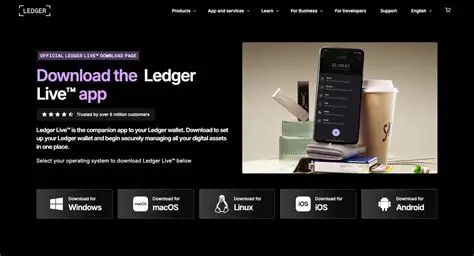
Ledger Live Application
Secure Element Chip
PIN Code and Recovery Phrase
Each component plays a critical role in ensuring that login and transaction approval are both secure and user-controlled.
Ledger Login and Self-Custody
Ledger Login supports the concept of self-custody, meaning users are the sole owners of their private keys.
Why Self-Custody Matters
No reliance on third parties
No risk of exchange hacks
Complete ownership of funds
Enhanced privacy
When you log in using a Ledger device, you are not asking permission from a platform—you are proving ownership cryptographically.
How Ledger Login Actually Works
Ledger Login is not a single-step action but a secure workflow that requires user presence and approval.
Ledger Login Process Explained
Connect the Ledger device to your computer or smartphone
Launch Ledger Live or a supported application
Unlock the Ledger device using your PIN
Approve access or transaction on the device screen
The login is finalized only after physical confirmation, ensuring that automated or remote attacks cannot succeed.
Ledger Login Without Usernames or Passwords
One of the most powerful aspects of Ledger Login is the complete elimination of traditional credentials.
Why Passwords Are Not Needed
Private keys are stored offline
Authentication is cryptographic
Device ownership replaces account credentials
This removes common vulnerabilities such as weak passwords, reused credentials, and credential leaks.
Initial Setup Required for Ledger Login
Before using Ledger Login, users must complete a secure setup process.
Creating a Secure PIN
The PIN is required every time the Ledger device is unlocked. It prevents unauthorized access if the device is physically stolen.
Generating the Recovery Phrase
During setup, a 24-word recovery phrase is generated. This phrase:
Controls wallet ownership
Allows recovery if the device is lost
Must be stored offline
Without this phrase, Ledger Login cannot be restored.
Ledger Live and Login Authorization
Ledger Live serves as the primary interface for Ledger Login.
What Ledger Live Does
Displays account balances
Sends and receives crypto
Installs blockchain apps
Connects to Web3 services
Ledger Live does not control login access. It only requests authorization, which must be approved on the Ledger device.
Ledger Login on Multiple Devices
Ledger Login can be used across multiple platforms without compromising security.
Desktop Login
USB-based connection
Suitable for long-term management
Full feature access
Mobile Login
Bluetooth (Nano X) or cable
Ideal for portability
Same cryptographic security
The login process remains identical regardless of device type.
Ledger Login for Transaction Authorization
Every transaction requires Ledger Login confirmation.
Transaction Approval Flow
Transaction request appears in Ledger Live
Details are displayed on the Ledger device
User verifies amount and address
Physical confirmation is required
This ensures protection against address replacement malware and unauthorized transfers.
Ledger Login for DeFi and Web3 Applications
Ledger Login is not limited to Ledger Live. It also supports secure access to decentralized applications.
Supported Use Cases
DeFi platforms
NFT marketplaces
DAO governance
Blockchain games
By signing messages directly on the Ledger device, users authenticate themselves without exposing private keys.
Ledger Login Using WalletConnect
WalletConnect allows Ledger users to log in to decentralized apps securely.
How WalletConnect Works
Connect Ledger device to Ledger Live
Scan QR code or approve connection
Confirm signature on hardware wallet
This process ensures end-to-end encryption and hardware-level security.
Security Architecture Behind Ledger Login
Ledger Login is backed by advanced security design.
Core Security Elements
Secure Element (CC EAL5+ certified)
Isolated private key storage
Tamper-resistant hardware
Secure firmware updates
Even if your computer is compromised, Ledger Login remains secure because private keys never leave the device.
What Happens If Ledger Login Fails
Occasionally, users may encounter login-related issues.
Common Problems
Device not detected
Incorrect PIN entry
Application connection errors
Bluetooth pairing failures
Most issues can be resolved through firmware updates, cable replacement, or device restart.
Ledger Login Recovery Process
If access is lost, Ledger Login can be restored securely.
Recovery Steps
Acquire a new Ledger device
Choose “Restore from recovery phrase”
Enter the 24-word phrase
Create a new PIN
Once restored, all accounts become accessible again through Ledger Login.
Ledger Login and Privacy Protection
Ledger Login is designed to maximize user privacy.
Privacy Advantages
No personal data required
No IP tracking
No centralized login records
No third-party account linking
This ensures users maintain anonymity and sovereignty over their financial activity.
Ledger Login Compared to Exchange Logins
FeatureLedger LoginExchange LoginAsset ControlUser-ownedPlatform-ownedAuthenticationHardware-basedPassword + 2FAHack RiskExtremely LowHighPrivacyHighLimited
Ledger Login eliminates many of the risks associated with centralized custodial platforms.
Best Practices for Using Ledger Login Safely
Recommended Actions
Always verify details on the device screen
Store recovery phrase securely
Keep firmware up to date
Use trusted computers
Actions to Avoid
Never share recovery phrase
Avoid unofficial Ledger apps
Do not approve unknown requests
Do not photograph recovery phrase
Ledger Login for Long-Term Crypto Holders
For investors focused on long-term storage, Ledger Login provides unmatched security.
Why It’s Ideal
No reliance on online services
Resistant to cyber attacks
Offline storage of keys
Simple recovery process
This makes Ledger Login especially attractive for high-value portfolios.
The Evolution of Ledger Login Technology
Ledger continues to enhance login security through:
Improved device usability
Expanded blockchain compatibility
Advanced transaction verification
Stronger Web3 integrations
Ledger Login is evolving alongside the blockchain ecosystem.
Final Thoughts on Ledger Login
Ledger Login is not just a method of accessing crypto—it is a secure authentication framework built on trustless verification, hardware security, and user sovereignty. By removing traditional login vulnerabilities and replacing them with physical confirmation and cryptographic proof, Ledger Login delivers one of the safest ways to manage digital assets.
Whether you are engaging in everyday crypto transactions, exploring DeFi, or safeguarding long-term investments, Ledger Login offers a powerful, private, and reliable access system that puts full control back into your hands.