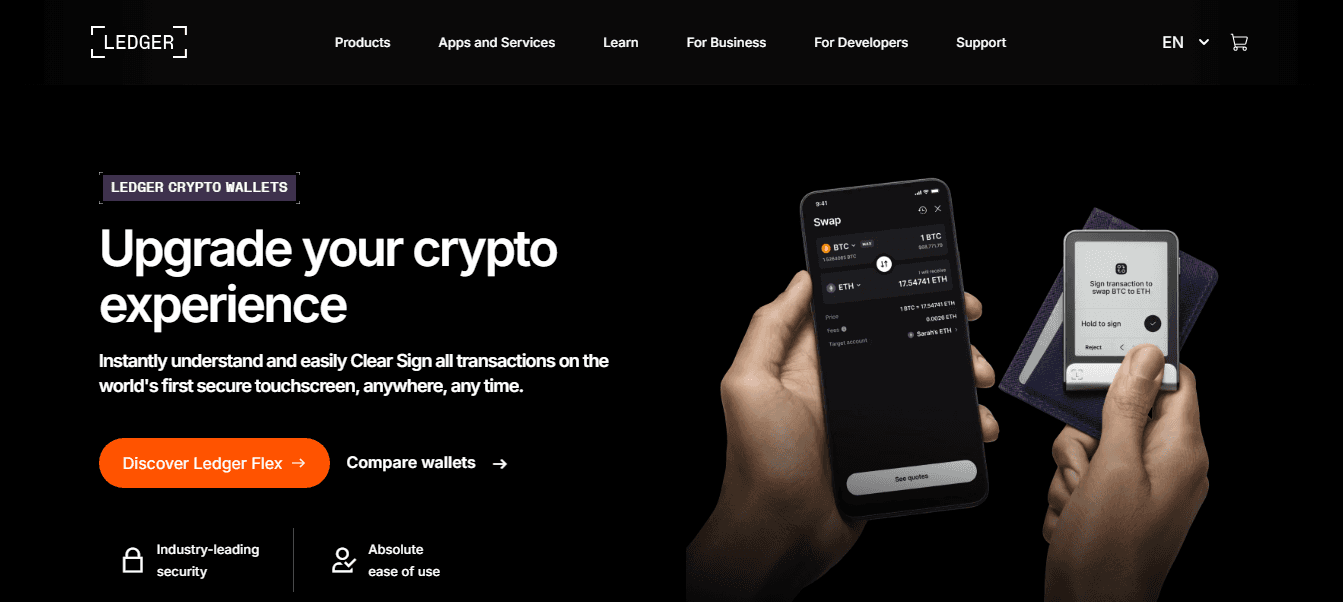
Ledger Login:
Introduction to Ledger Login
Ledger Login refers to the secure process of accessing your cryptocurrency assets using a Ledger hardware wallet in combination with Ledger Live, the official companion application. Unlike traditional logins that rely on usernames and passwords, Ledger Login emphasizes self-custody, cryptographic verification, and physical device authentication. This approach drastically reduces the risk of hacking, phishing, and unauthorized access.
With the increasing adoption of cryptocurrencies and decentralized finance (DeFi), security has become a top priority. Ledger wallets—such as Ledger Nano S Plus, Ledger Nano X, and newer models—are designed to give users complete control over their private keys while maintaining a user-friendly login experience.
This guide explains everything you need to know about Ledger Login, from setup and daily usage to security best practices and troubleshooting.
What Is Ledger and Why Login Works Differently
Ledger is a leading provider of hardware wallets that store private keys offline in a secure element chip, similar to those used in passports and banking cards. Because of this design, Ledger Login does not rely on centralized servers or password-based authentication.
Key Differences from Traditional Logins
No username or email required
No password stored online
Login requires physical confirmation on the device
Private keys never leave the wallet
This model ensures that even if your computer or smartphone is compromised, your crypto assets remain protected.
Understanding Ledger Login and Ledger Live
Ledger Login is closely tied to Ledger Live, the desktop and mobile application that acts as the interface between you and your hardware wallet.
What Ledger Live Does
Allows you to view balances
Send and receive cryptocurrencies
Install and manage apps for different blockchains
Stake, swap, and manage NFTs
Connect to third-party Web3 apps securely
Ledger Live does not store your private keys. It simply displays information and submits transactions that must be approved on the Ledger device itself.
How Ledger Login Works
Ledger Login is a multi-step verification process that combines software access with hardware authentication.
Basic Ledger Login Flow
Connect your Ledger device to your computer or phone
Open Ledger Live
Enter your device PIN
Unlock the device physically
Confirm any sensitive action on the device screen
There is no traditional “sign-in” button. Your physical Ledger device is your login credential.
Setting Up Ledger Login for the First Time
Before you can log in, you must complete the initial setup.
Step 1: Unboxing and Device Initialization
When you first power on your Ledger wallet:
Choose “Set up as new device”
Create a PIN code (4–8 digits)
Write down your 24-word recovery phrase
This recovery phrase is the master key to your wallet and is essential for login recovery.
Step 2: Installing Ledger Live
Download Ledger Live from the official Ledger website and install it on:
Windows
macOS
Linux
iOS
Android
Once installed, Ledger Live will guide you through device verification and updates.
Step 3: Pairing Device with Ledger Live
Connect your Ledger device using USB or Bluetooth (Nano X). Ledger Live will:
Verify authenticity
Check firmware version
Complete device pairing
After pairing, Ledger Login is ready to use.
Ledger Login on Desktop vs Mobile
Desktop Ledger Login
Requires USB connection
Compatible with Windows, macOS, Linux
Ideal for long-term management and advanced features
Mobile Ledger Login
Bluetooth (Nano X) or USB-C (mobile-supported devices)
Ideal for on-the-go access
Same level of security as desktop
Regardless of platform, login security remains unchanged because approval always occurs on the physical device.
PIN Code and Its Role in Ledger Login
The PIN code is your first line of defense during Ledger Login.
Why the PIN Is Important
Prevents unauthorized physical access
Required every time the device is unlocked
Protects private keys even if device is stolen
After three incorrect PIN attempts, the device resets automatically, requiring recovery using the 24-word phrase.
Using Recovery Phrase for Login Restoration
If you lose your Ledger device or forget your PIN, login can be restored using the recovery phrase.
How Recovery Login Works
Buy a new Ledger device
Select “Restore from recovery phrase”
Enter the 24 words in exact order
Set a new PIN
Once restored, all wallets and balances reappear in Ledger Live.
Ledger Login for Web3 and dApps
Ledger Login extends beyond Ledger Live through WalletConnect and browser extensions.
Supported Platforms
MetaMask (Ledger-connected)
DeFi protocols (Uniswap, Aave, Compound)
NFT marketplaces
Web3 games
How It Works
Connect Ledger to browser wallet
Initiate login on dApp
Confirm signature on Ledger device
This ensures secure Web3 authentication without exposing private keys.
Security Benefits of Ledger Login
Ledger Login is considered one of the most secure crypto access methods available.
Core Security Features
Offline private key storage
Physical transaction confirmation
Secure element chip
Anti-phishing protection
Tamper-resistant hardware
Even malware on your computer cannot approve a transaction without physical confirmation.
Common Ledger Login Issues and Solutions
Ledger Device Not Recognized
Use original USB cable
Try different USB port
Restart Ledger Live
Update device firmware
Forgotten PIN Code
Device will reset after failed attempts
Restore using recovery phrase
Ledger Live Won’t Open
Clear cache
Update Ledger Live
Reinstall application
Bluetooth Login Issues (Nano X)
Enable Bluetooth on phone
Keep device close
Remove and re-pair device
Best Practices for Safe Ledger Login
Do’s
Store recovery phrase offline
Use a strong PIN
Verify transaction details on device
Keep firmware updated
Don’ts
Never share recovery phrase
Avoid fake Ledger websites
Do not store phrase digitally
Never approve unknown transactions
Ledger Login and Privacy
Ledger Login ensures maximum privacy by:
Not requiring personal information
Not tracking transactions
Allowing anonymous self-custody
Your identity remains separate from your wallet activity.
Ledger Login vs Software Wallet Login
FeatureLedger LoginSoftware WalletPrivate Key StorageOfflineOnlineLogin SecurityHardware-basedPassword-basedPhishing ProtectionVery HighModeratePhysical ConfirmationRequiredNot Required
Ledger Login clearly provides superior protection for long-term asset storage.
Future of Ledger Login
Ledger continues to innovate by introducing:
Improved biometric integration (future models)
Enhanced mobile login flows
Expanded Web3 compatibility
Better multi-account management
As crypto adoption grows, Ledger Login is expected to remain a gold standard in self-custody authentication.
Conclusion: Why Ledger Login Matters
Ledger Login is more than just a way to access your wallet—it is a security philosophy built around ownership, privacy, and control. By replacing passwords with physical verification and cryptographic proof, Ledger ensures that only you can access your digital assets.
Whether you are a beginner holding your first Bitcoin or an advanced user interacting with DeFi and NFTs, Ledger Login provides a robust, secure, and future-proof login system that aligns perfectly with the decentralized nature of blockchain technology.